
Understanding the Bigger Picture
Many of the online dangers facing kids today do not look obvious at first. They may begin as gaming conversations, group chats, private messages, anonymous accounts, or requests that seem small or harmless. Some youth are targeted through loneliness, curiosity, attention, or fear. Others are pulled in gradually and do not realize how serious things have become until they already feel trapped.
Parents do not need to know every app, every trend, or every coded term. But they do need to understand that some online spaces now expose kids to manipulation, exploitation, blackmail, sexual coercion, and organized harm in ways that were not part of parenting a generation ago.
This page brings together resources, warnings, and trusted links to help adults better understand some of the biggest online dangers affecting kids and teens today.
Sextortion
Sextortion is one of the most urgent online dangers parents should understand right now. It can happen when a child or teen is pressured, manipulated, or tricked into sharing a sexual image and is then threatened, blackmailed, or extorted. What starts as attention, flirting, or a private conversation can quickly turn into fear, shame, and panic. The resources below can help parents better understand what sextortion is, what warning signs to watch for, and what to do if a child is targeted.

What Is Sextortion?
Sextortion happens when a child or teen is pressured or tricked into sharing a sexual image and is then threatened, blackmailed, or extorted. It is a growing problem. NCMEC received 26,718 reports of financial sextortion in 2023, up from 10,731 in 2022.

Warning Signs Parents Should Know
A child experiencing sextortion may seem panicked, withdrawn, secretive, or suddenly desperate to hide messages, accounts, or devices. Some youth may become anxious, ask for money, or seem terrified that something online is about to be exposed.

What Parents Should Do Next
If a child is being threatened online, parents should stay calm, take it seriously, save screenshots, and avoid deleting messages too quickly. Quick action matters, but so does helping a child feel safe enough to talk and ask for help.
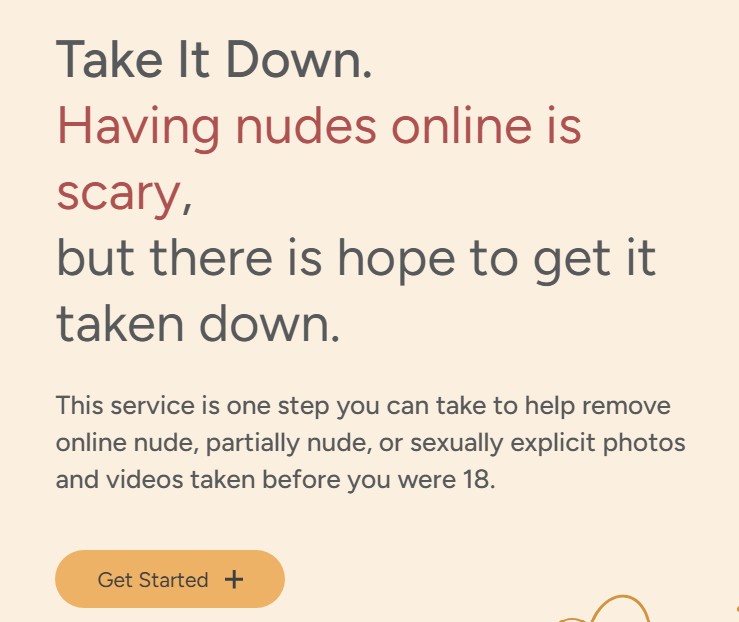
Remove Explicit Images
Take It Down is a free tool that can help stop the spread of nude, partially nude, or sexually explicit images of minors online. It can be an important resource for families dealing with sextortion or image-based threats.
764 and Similar Online Networks
Some parents have never heard the term 764, but the FBI has warned about a sharp increase in the activity of “764” and similar violent online networks targeting children and other vulnerable individuals. The FBI says these networks use threats, manipulation, blackmail, and coercion to push victims into self-harm, sexually explicit acts, animal cruelty, and even suicide. Parents do not need to know every name or every corner of the internet, but they should know that some online spaces deliberately target vulnerable youth.

What Is 764?
“764” is a name linked to violent online networks that target vulnerable youth through manipulation, threats, blackmail, and exploitation. These groups may pressure victims into harmful or abusive acts and then use shame and fear to keep control.

Warning Signs Parents Should Watch For
These networks often target vulnerable youth through secrecy, fear, blackmail, and emotional manipulation. Warning signs can include sudden panic, hidden accounts, disturbing online contacts, threats, or a child seeming terrified about something happening online. Parents should take these changes seriously and act early.

Why Parents Should Know the Name
The FBI says it is seeing a sharp increase in “764” and similar networks targeting children and vulnerable individuals. Even if parents never hear the term elsewhere, knowing the name can help them better understand the kind of manipulation and coercion that can happen online.
What Parents Should Do Next
If a parent is worried a child is being manipulated, threatened, or exploited online, it is important to stay calm, save evidence, avoid deleting messages, and report concerns quickly. The FBI says early action can help protect a child and may prevent harm to others.
Roblox and Gaming-Related Risks
Roblox can be creative, social, and fun, but parents should not assume it is harmless just because it looks child-friendly. Like other gaming platforms, Roblox can include chat features, private servers, user-generated experiences, in-game purchases, and opportunities for kids to connect with people they do not really know. Roblox’s own parent resources emphasize linked parental controls, content limits, spending controls, screen-time limits, and connection settings, while NCMEC warns that online enticement can begin in games and move into private messages or other platforms.

What Parents Should Know About Roblox
Roblox is not just a game. It is a social environment where kids can interact with others, join user-created spaces, and be contacted through built-in features that many adults underestimate.

Every Parent Needs to Watch This
Schlep’s interview on the Shawn Ryan Show is one of the more in-depth warnings parents can watch right now. It focuses on how predators use Roblox, how conversations can move off-platform, and why many adults do not understand the scope of what can happen inside child-heavy gaming spaces. The episode description identifies Schlep as a survivor of Roblox grooming who now exposes predator activity tied to the platform.
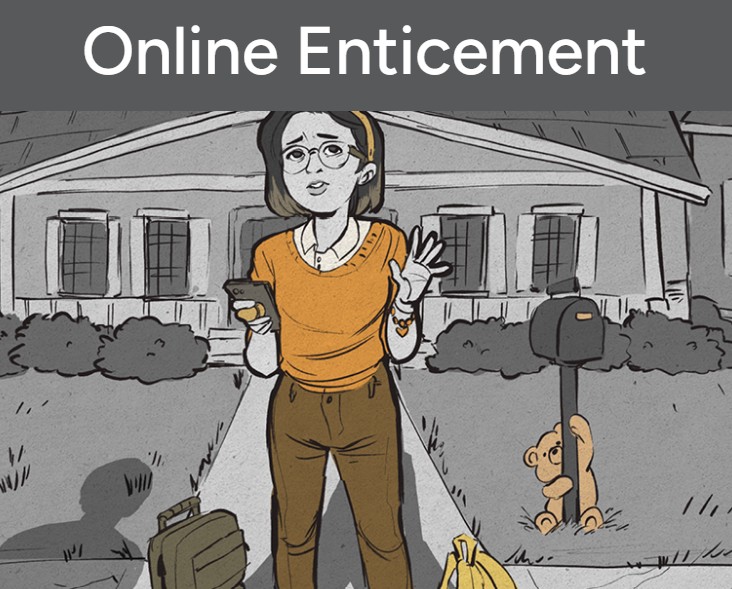
How Online Enticement Starts
NCMEC warns that online enticement can begin in internet-connected games, not just on social media. That can include sexual conversation, requests for explicit images, and efforts to move a child into more private contact. This is an important resource for parents who think gaming feels safer than other platforms
Young Children Need More Protection
For younger children, the safest approach may be delaying or heavily limiting Roblox use until a parent can stay involved. Roblox says parents can use account restrictions, maturity settings, communication controls, spending limits, and screen-time tools, but those settings do not remove every risk that comes with a large social platform. For families who allow Roblox, the best option is close supervision, linked parent controls, and regular review of chats, connections, and game activity.